Cost is usually the first consideration when businesses start researching industrial epoxy flooring. It’s a natural start, but focusing only on numbers could miss the things that really matter. Industrial flooring is more than just a cosmetic upgrade. The flooring plays a major function in the efficiency of a facility.
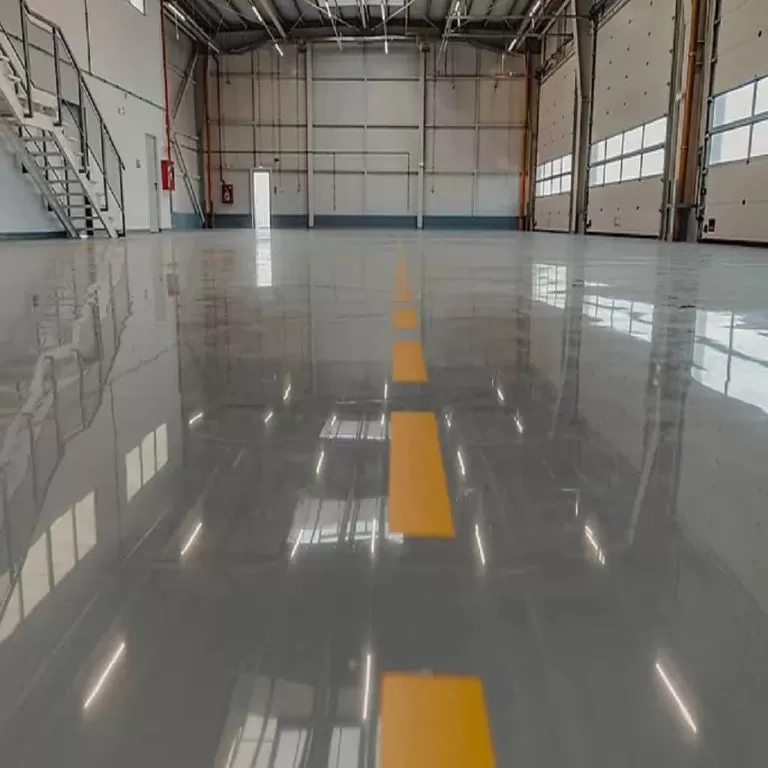
The cost of industrial epoxy flooring can reflect more than the surface layer that people observe. These costs reflect the quality, durability, and strength of the epoxy flooring system. The understanding of this shifts the discussion away from simply pricing and toward overall value.
The reason industrial Floors Are Built Differently
Industries require more from their floors than other environments. A lot of heavy equipment, continuous movement and exposure to various substances create conditions that demand the durability. This is the reason industrial epoxy flooring was designed to withstand the strain that standard flooring cannot handle.
Materials used in the process are designed to form a strong and seamless bond with the concrete beneath. The floor is impervious to wear and will remain stable even under pressure. While this can increase the cost of industrial epoxy flooring However, it also ensures the floor performs in the long run. The endurance of the floor is often its best attribute.
The Basis for Every Successful Installation
A major factor in the cost of industrial epoxy flooring is the preparatory work required before installation begins. The state of the surface is a significant factor in determining the level of effort that is required.
If concrete has cracks, uneven patches or other evidence of damage, further work is required to create an adequate base. Professional installers use specialized techniques to prepare the concrete to ensure that the epoxy adheres to the surface in a proper way. This will guarantee long-term durability.
Skipping or minimizing preparation might lower initial industrial epoxy flooring costs, but it can lead to issues later. An appropriate groundwork can lead to a stronger and more durable result.
How thickness affects performance
Another important factor that determines the cost of industrial epoxy flooring is its thickness. When durability is a concern more, the use of stronger epoxy products.
They offer more resistance against impact and abrasion. They are therefore suitable for high-end applications. The added material will add to the cost, however, the life span of the flooring is also extended. The ideal thickness will depend on the way you utilize the space, as well as the level of performance required.
Being able to adapt to different industrial needs
Each facility faces its own set of issues. Some require resistance to chemicals, and others need protection from moisture or temperature changes. These factors influence the type of system put in place.
Changes to be made to meet the requirements of these environments can have an impact on industrial epoxy flooring prices. These adjustments are required to allow the flooring to perform effectively in the specific environment it is placed in. This allows the floor to be customized in accordance with the requirements of the area.
Think Beyond Short-Term Costs
It’s easy for people to focus on the initial price of flooring made from industrial epoxy but the long-term implications are equally important. A top-quality installation can cut down on maintenance costs and help minimize the disruptions that are caused by repairs.
Industrial epoxy flooring is frequently chosen because of its ability to deliver steady efficiency over the course of time. This stability helps businesses run smooth operations with fewer interruptions. From this point of view the investment becomes more about stability and not expense.
The Benefits of Professional Installation
Expertise and skill are needed to put in industrial flooring. To get the desired result, each stage of the process from preparation to installation must be carefully managed.
The cost of industrial epoxy flooring includes not only materials but also the expertise needed to apply them correctly. Professionally trained installers are able to adapt to the various conditions and ensure that the system performs as expected. Attention to detail is a key component to the performance of the final floor.
The Best Flooring Options
There’s more involved in choosing the ideal flooring than comparing numbers. It’s about understanding how different elements are combined to create an extremely durable and solid flooring.
Industrial epoxy flooring is an solution that is strong as well as flexibility as well as long-term performance. While the costs for industrial epoxy flooring may vary based on specific requirements, the focus remains on creating floors that support daily activities efficiently.
In examining the entire process, including preparation, the materials used and the installation, businesses are able to make decisions that last.