The process would be simpler if water was flowing in the exact same amount.
It’s not.
The amount of wastewater entering the residential system fluctuates throughout the day. Industrial and commercial facilities could have operating peak times. Stormwater levels can drastically change with weather conditions. The demand for clean water can also increase and decreases depending on the application.
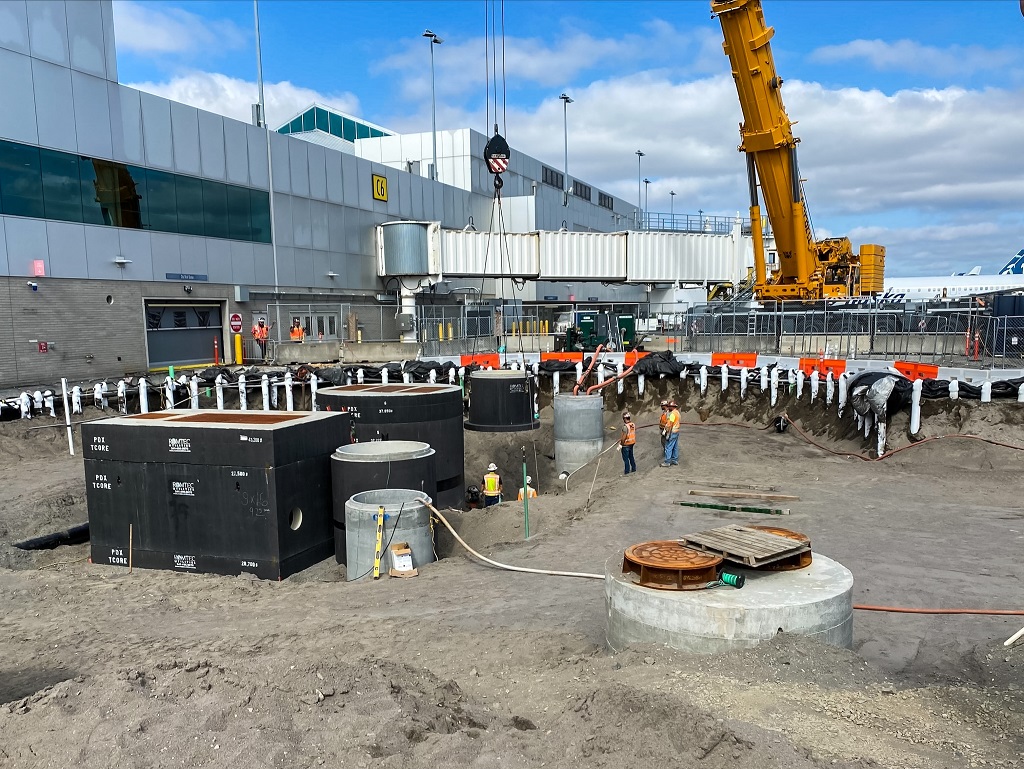
Image credit: romtecutilities.com
As a result, designing a pump station isn’t simply a matter of identifying one flow number and selecting equipment capable of meeting it. Engineers must be aware of what kind of environment the system is expected to encounter.
Be aware of the operating conditions and not only the maximum Capacity
The greatest flow is vital, but this is only one aspect of the station’s operations. Imagine that a wastewater treatment facility was designed to handle a large flow at peak. Typically the flow of incoming water can be much lower. In these times it is necessary for the station to function properly.
It brings up issues like wet-well sizing and sizing of the pump controls of head condition, how to adapt equipment when demand changes.
When creating a system for pumping packages It is crucial to take into account the requirements of the location and not only the capacity of the pump.
Wastewater Has Its Own Daily Theme
In the life-cycle of the wastewater lift station conditions for the influent may change.
The station’s control strategies will decide how the station collects wastewater and operates its pumps. The structural dimensions, the pumps and the piping, as well as electrical parts and controls, all play the role in this procedure.
Design may also take into account additional considerations specific to the site. Romtec Utilities will incorporate any other systems like grinders, vaults, and odor-control systems when needed. This results in a station engineered around the project rather than a generic setup applied to every wastewater site.
Stormwater Changes More Rapidly
Stormwater is a totally different kind of operating environment. During dry weather the stormwater lift station might not be used much. However, during severe weather events the station will witness a significant rise in the amount of activity. The station can be an element of a larger flood-control treatment, detention or drainage strategy, which makes the plan for stormwater management surrounding it an important part of system design.
When designing these systems Romtec Utilities considers a variety of factors, including the flow rate required, head condition, dimension of the system, the needs of the site and environmental concerns.
A station that serves a commercial project could, therefore, appear quite different from one engineered for municipal stormwater applications.
Head Conditions Matter Along With Flow
Engineers also need to know where the water is going and what obstacles they need to overcome. Engineers must know the direction of the water and the amount of resistance it will encounter.
Variations in elevation, piping design as well as discharge conditions and many other characteristics of the system can affect the head conditions against which pumps function.
The relationship between head and flow is one reason simply choosing the right pump based on its capacity rating isn’t enough. The pump technology and station configuration have to suit the requirements of the entire application.
Design the station for the conditions that it will encounter
Romtec Utilities creates customized pumping system for wastewater, stormwater and clean water systems. They also develop systems for industrial, boosters and other applications. Its process can include initial design and budgeting, complete plan sets and system supplies, documentation starting, testing and commissioning.
The fundamental engineering principle is straightforward: real pumping systems don’t spend their entire lives operating under one convenient set of conditions.
They encounter changes in flows, needs, and specific project-specific hydraulic needs. It is vital to develop a station to cope with the challenges.