It is not until much later that the efficiency of a lift station will be evaluated. Calculations for flow, elevations of the site systems pressure and wastewater properties, peak conditions accessibility to maintenance, control, and the capacity of the future will all determine the type of structure that will eventually be built.
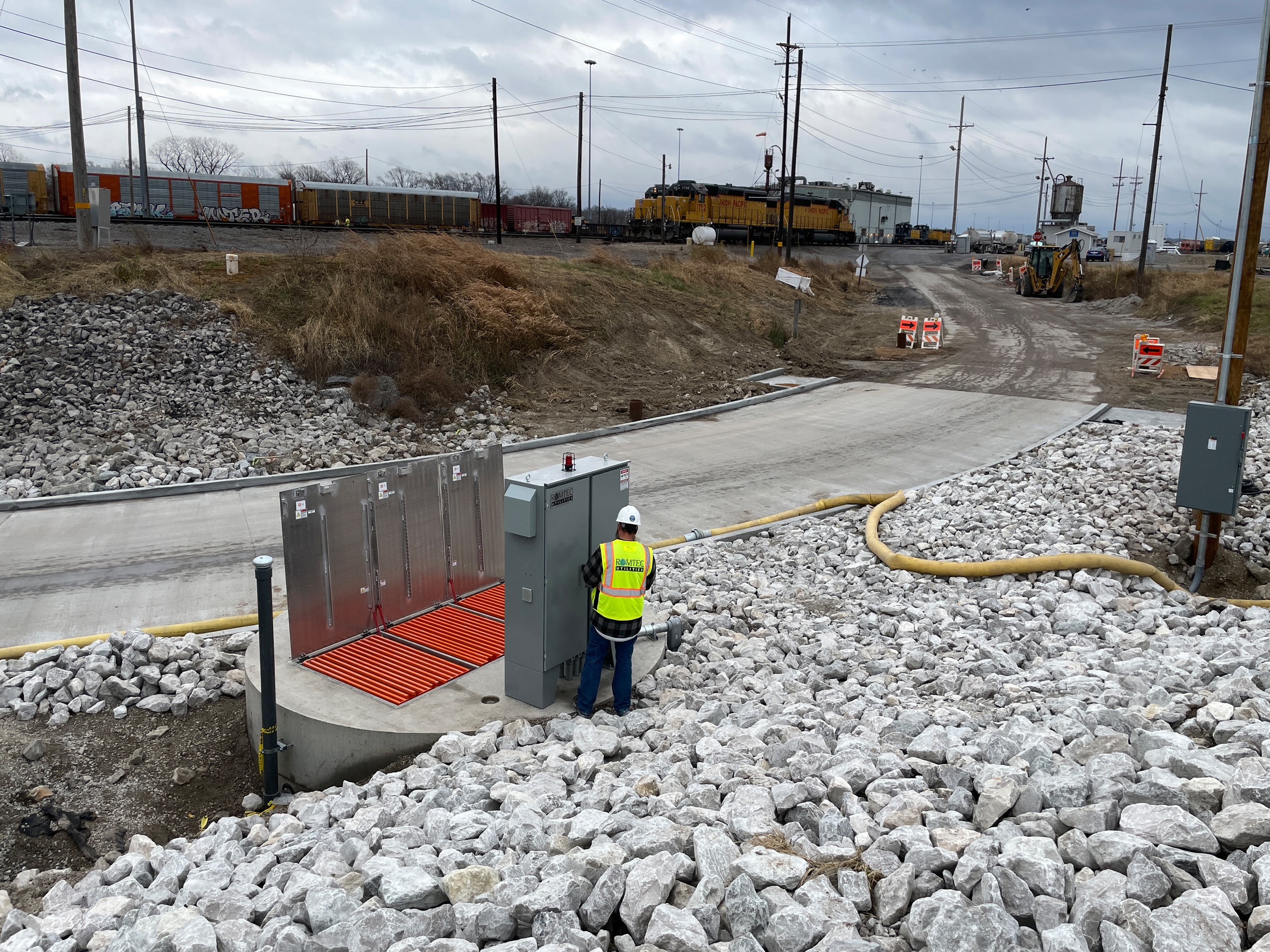
Image credit: romtecutilities.com
For project owners comparing the best lift station designers, the more useful question isn’t simply who can specify pumps. Who can translate site conditions into a comprehensive, practical system that is simple to maintain, install, and maintain?
Gravity has its limits
Gravity is often the easiest way to move wastewater. But, the terrain and the building patterns can make it difficult. New commercial, residential and industrial buildings may be in a position that is too low, or too far away, or in areas where the expansion of gravity sewer infrastructure isn’t possible.
A lift station is able to provide the mechanical force required to transport wastewater from one area of the system of collection to another. The design of a lift station requires an understanding of normal operations and less ideal situations like peak flow pump maintenance, equipment failure or future increases in demands.
Businesses that are deemed to be among the best in the wastewater industry should look at the entire issue of conveyance instead of treating stations as if they were a single item.
The current infrastructure makes it difficult to solve the puzzle.
The issue isn’t the new construction. Municipalities frequently need to retrofit or replace old stations while keeping essential wastewater infrastructure functioning.
Forcemains, wetwells electrical services and controls as well as the site’s boundary and downstream infrastructure could limit the new design. Engineers must decide which elements can be reused as well as what components must be replaced and how new components will integrate into the current system.
Romtec Utilities offers pumping solutions for municipal, private industrial, commercial and retrofit applications. Pumping systems are adapted to meet the specific requirements of each project.
Stormwater Follows Different Rules
The most efficient stormwater system designers need to use the search terms to solve any hydrologic issue. Stormwater systems have drastic volume changes based on rainfall and other elements like drainage area capacity, detention capacity, and the rate of discharge.
Stations serving detention basins for instance, could need to temporarily store runoff before pumping it out at a steady pace. Engineers should consider the flow rate, the conditions of the head, the needs of the environment, flood-management goals, and the features of the drainage system for which it is receiving.
Prefabrication Can Move Work Away from the jobsite
The complexity of field assembly could result in delays in scheduling, mistakes during installation, change orders, and even delays. Romtec Utilities uses substantial prefabrication before equipment reaches the project site.
In order to complete more assembly and quality assurance work in a controlled environment this can decrease the amount of construction required on the ground. Based on the approach to project management presented by Romtec Utilities, certain projects that would normally require weeks of work can be reduced to days according to the circumstances of the project.
Commissioning is a Part of Engineering Success
It’s not enough just to install all the components for a station to be considered a proven one. Romtec Utilities offers installation advisors to help with the construction process that includes starting up, control panel checks, pump operations, system testing and employee training. The documentation also includes information that users may refer to when maintain the system or contemplating expansion.
If you’re looking for the best lift station engineers, this final stage deserves attention. A good engineer should be able to produce more than just a satisfactory set of sketches. The proprietor should have a functional system, trained personnel, a well-documented and useful equipment specifically designed to handle the challenges that the station will face in the course of daily operations.